
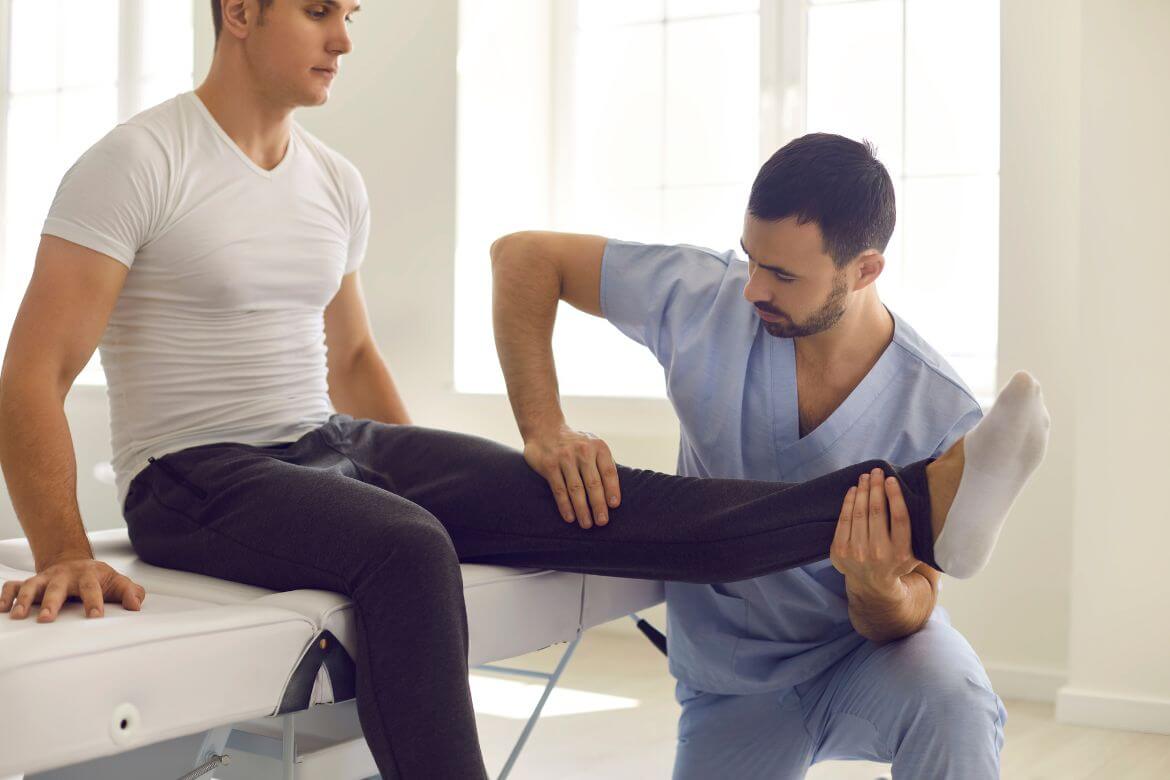
Structured rehabilitation services are increasingly recognized as a strategic component of medical tourism, supporting continuity of care and strengthening Greece’s role as a reliable, year-round healthcare destination.
The global medical tourism ecosystem is undergoing structural transformation, with growing emphasis on integrated care pathways rather than isolated medical interventions. Within this evolving framework, rehabilitation services are emerging as a strategic pillar that ensures continuity of care, functional recovery, and long-term health outcomes for international patients.
As populations age and survival rates following complex medical events improve, healthcare systems worldwide face increasing demand for structured post-acute and long-term rehabilitation programs. This shift has elevated rehabilitation from a supportive service to a core component of sustainable healthcare delivery. Countries seeking to strengthen their position in medical tourism must therefore invest not only in acute care excellence but also in organized, multidisciplinary recovery services.
Greece has steadily aligned with this international trend. By reinforcing quality standards, clinical governance, and interdisciplinary collaboration, the country is expanding its capacity to deliver comprehensive rehabilitation services within a safe and medically supervised environment. Such services are particularly relevant for patients recovering from neurological events, major orthopedic procedures, trauma, and other complex conditions that require coordinated therapeutic intervention.
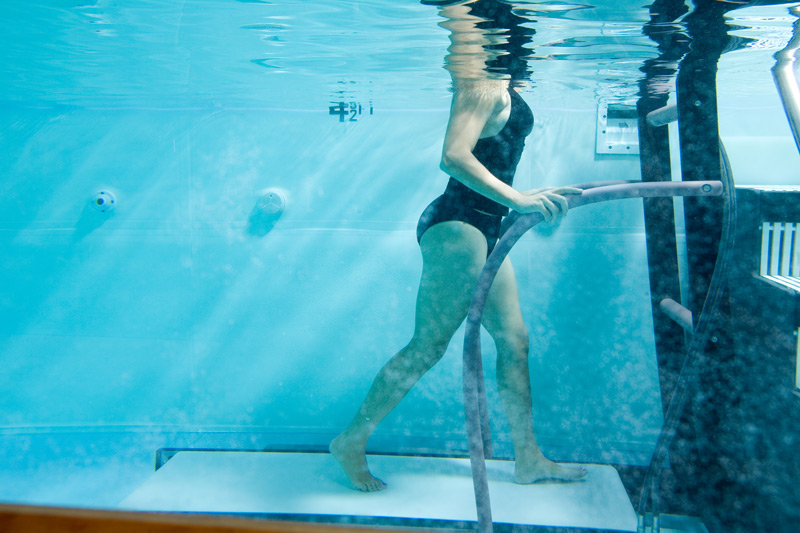
Within this national framework, specialized centers contribute to the consolidation of Greece’s medical tourism profile by applying internationally recognized protocols, measurable outcome indicators, and patient-centered care models. The BLOCKS REHAB FILOKTITIS, as part of this broader healthcare landscape, operates within structured clinical pathways that emphasize multidisciplinary coordination, individualized rehabilitation planning, and continuity of care for both domestic and international patients.
Beyond clinical infrastructure, Greece’s geographic accessibility, favorable climate, and established hospitality culture further enhance the recovery environment, offering conditions conducive to both physical and psychological rehabilitation. These qualitative factors complement the medical dimension and strengthen the country’s competitiveness in the international healthcare market.
Positioning rehabilitation as a strategic healthcare asset supports not only individual patient outcomes but also the long-term credibility of Greece’s medical tourism framework. By integrating high-level rehabilitation services into the broader continuum of care, Greece reinforces its commitment to responsible, sustainable, and patient-centered international healthcare provision.