
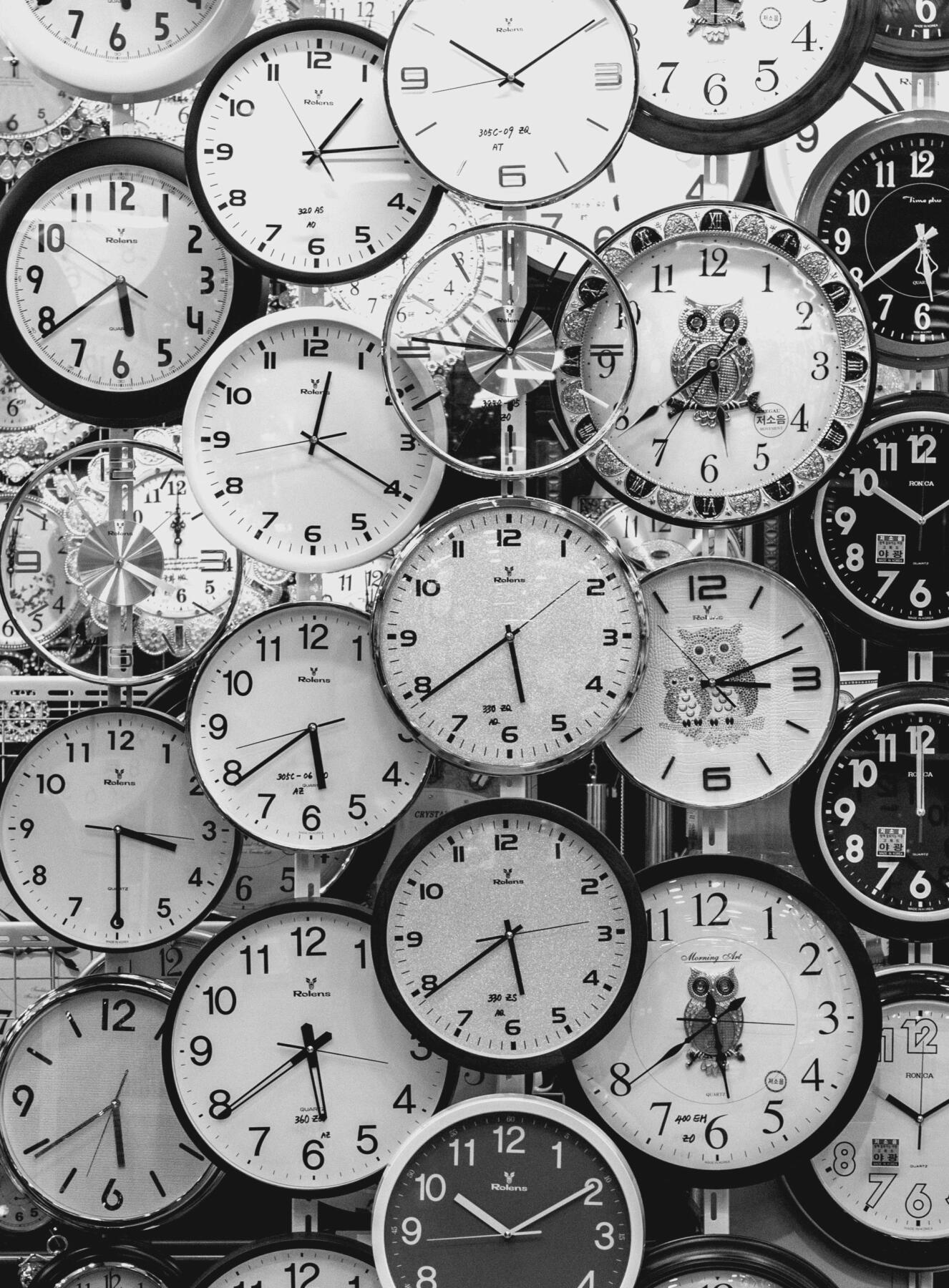
Clock-change protocols constitute a strategy originally devised by Benjamin Franklin in 1784, aimed at maximizing the use of daylight and reducing the consumption of candles.
In 2023, the American Academy of Sleep Medicine issued an updated position statement on daylight saving time, asserting that the United States should abolish seasonal time changes in favor of permanent standard time, which is more closely aligned with human circadian biology.
The circadian rhythm, or the 24-hour sleep–wake cycle, functions as the body’s internal timekeeping system. Alterations to this biological clock can affect melatonin and cortisol levels and increase the risk of various health conditions.
Maintaining stable circadian rhythms may also promote healthy aging, as standard time is better synchronized with human circadian biology. Under standard time, the body clock, sunrise and sunset, and social clock time are more closely aligned than under daylight saving time. In essence, individuals generally feel and function better when their circadian rhythm is in harmony with natural light–dark cycles, as occurs during standard time.
Mood disturbances, cardiovascular risks, and an increased incidence of accidents are among the potential adverse effects associated with daylight saving time. Advancing the clock by one hour has been shown to negatively impact both health and public safety.
Abrupt seasonal time shifts disrupt circadian rhythms, potentially leading to sleep disturbances, increased fatigue, and even heightened risks of myocardial infarction and stroke.
Increased darkness during morning hours may also exacerbate symptoms of Seasonal Affective Disorder (SAD), as morning light plays a critical role in mood regulation.
The seasonal nature of human sleep is influenced by demographic and geographical factors. Daylight duration, temperature, as well as daily and weekly routines, constitute external determinants that significantly affect both the quality and quantity of sleep, and ultimately overall well-being.
The demanding pace of the workweek has also been identified as a “barometer” of sleep duration, often leading individuals to compensate for sleep deficits during weekends. This phenomenon is commonly referred to as “social jet lag.”
The circadian system is of fundamental importance to human health; its dysregulation can result in a wide range of adverse effects across multiple physiological systems. When the internal biological clock—located in the suprachiasmatic nucleus (SCN) of the brain—is disrupted, systemic consequences are inevitable.
Circadian misalignment has been associated with obesity and diabetes, cardiovascular diseases, immune system dysfunction, cancer, and psychiatric disorders. Notably, fragmented sleep during the night may have a more detrimental impact on health than insufficient sleep duration alone.
Sleep constitutes the third fundamental pillar of health, alongside nutrition and physical activity, and is essential for both physical and mental well-being. Sleep disturbances are not limited to next-day fatigue but may also represent a significant long-term risk to overall health.
Konstantinos Kouskoukis
Professor of Dermatology – Lawyer
B’ Vice President GDHI
President Hellenic Academy of Thermal Medicine
President World Academy of Chinese & Complimentary Medicine