

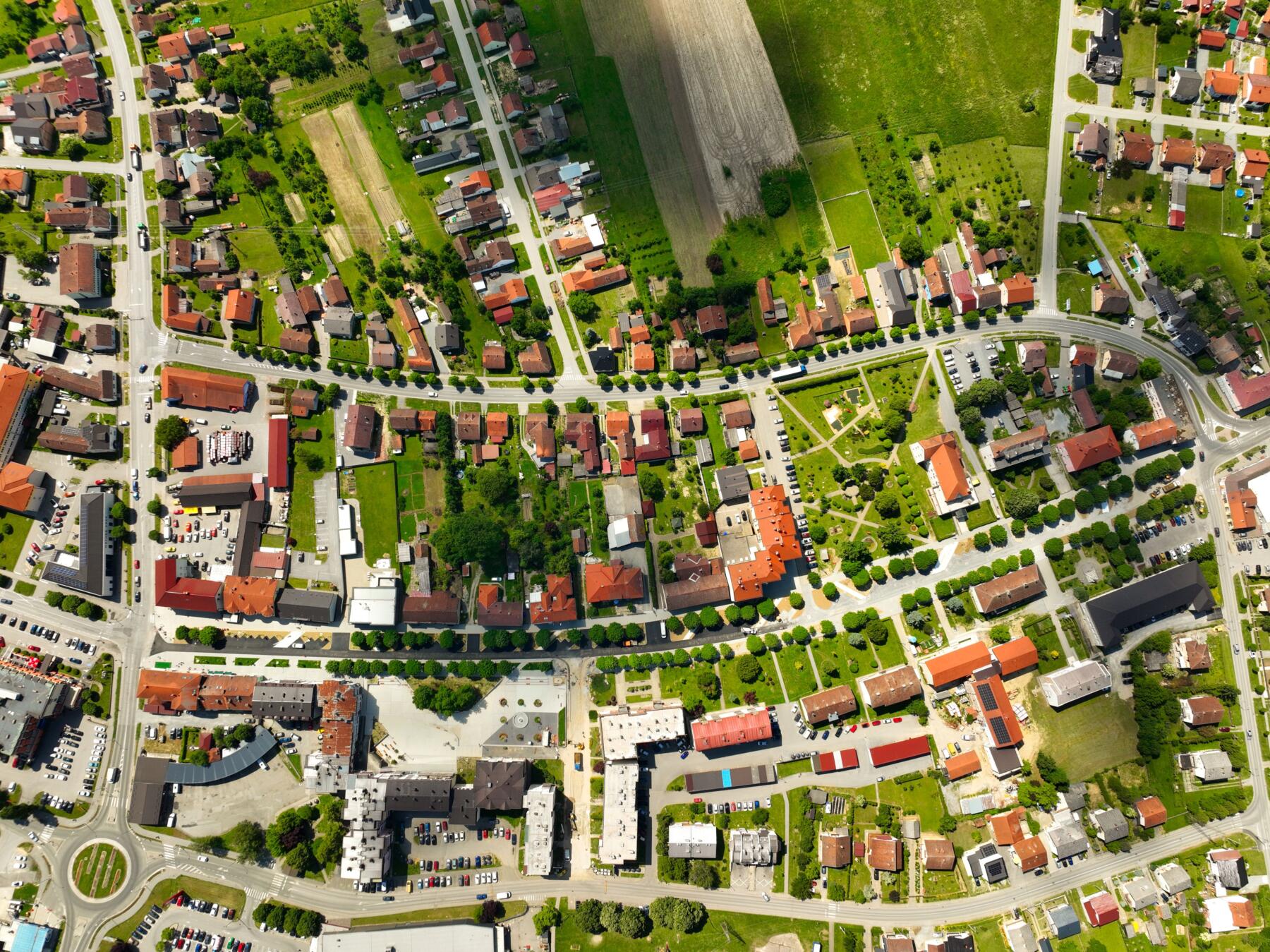
Spatial planning is not merely a technocratic exercise. It constitutes the foundation upon which environmental resilience is either built or undermined. It determines what is developed and where, which areas remain undeveloped, how natural resources are managed, where economic sectors will expand, and under what conditions. In Greece, the gap between planning theory and its implementation has often been considerable, leaving profound and lasting imprints on the country’s landscapes.
Messages from Across Greece
In response to these challenges, civil society has not remained passive. The demand for action emerged from local communities themselves, and it was this need that gave rise to the SOS Programme of the Hellenic Society for the Environment and Cultural Heritage (ELLET).
The programme receives appeals, complaints, and requests for intervention from communities throughout Greece, ranging from mountainous villages in Epirus to island municipalities across the Aegean. The cases submitted to ELLET collectively portray a map of mounting pressures: illegal construction, degradation of traditional landscapes, and threats to fragile ecosystems.
Tourism development has exposed the Greek islands to a complex combination of mutually reinforcing pressures. Excessive construction fragments the landscape while placing significant strain on infrastructure and utility networks that were originally designed to serve permanent resident populations rather than the thousands of visitors concentrated within only a few weeks each year.
Spatial planning is ultimately a matter of public policy and political choice. It reflects decisions about the kinds of places we intend to pass on to future generations. It determines whether the islands will remain vibrant, living communities or become merely seasonal tourist destinations, and whether protected ecosystems will exist not only on official maps but also in reality.
Experience demonstrates that places which have preserved their distinctive character—precisely because they chose to establish clear limits to development—have also proven to be the most economically resilient. Environmental protection is not an obstacle to development; rather, it is a strategic investment for a country endowed with natural and cultural capital as exceptional as that of Greece.
In recent years, several Aegean islands have been included in the “7 Most Endangered” Programme of Europa Nostra, Europe’s leading network for cultural and natural heritage, in which ELLET serves as the representative organization for Greece.
Tourism development has exposed the islands to a complex combination of mutually reinforcing pressures. Excessive construction fragments the landscape while overburdening infrastructure and utility networks designed for permanent populations rather than the thousands of visitors who converge during a limited tourism season.
The islands’ ecosystems are subjected to pressures that far exceed their carrying capacity. At the same time, permanent residents experience a gradual deterioration in their quality of life, manifested through soaring housing costs, reduced access to essential public services, and the transformation of their communities into settings designed primarily for the superficial consumption of visitors.
In addressing these trends, ELLET has never confined its role solely to filing complaints or pursuing legal action. Alongside its function as a safeguard against inappropriate development permits and environmental violations, the organization has made substantial investments in developing practical, community-based solutions.
In 2025, ELLET provided—and continues to provide—systematic scientific support to island municipalities in the preparation of their spatial planning strategies. This initiative represents a practical application of the principle that sustainable development cannot simply be imposed from above but must instead be built in partnership with the communities that experience its consequences firsthand.
This approach is implemented through a sustained local presence, consultation with municipal authorities, and the development of spatial planning proposals tailored to the specific characteristics and needs of each island. A uniform planning model cannot be applied indiscriminately across all territories.