

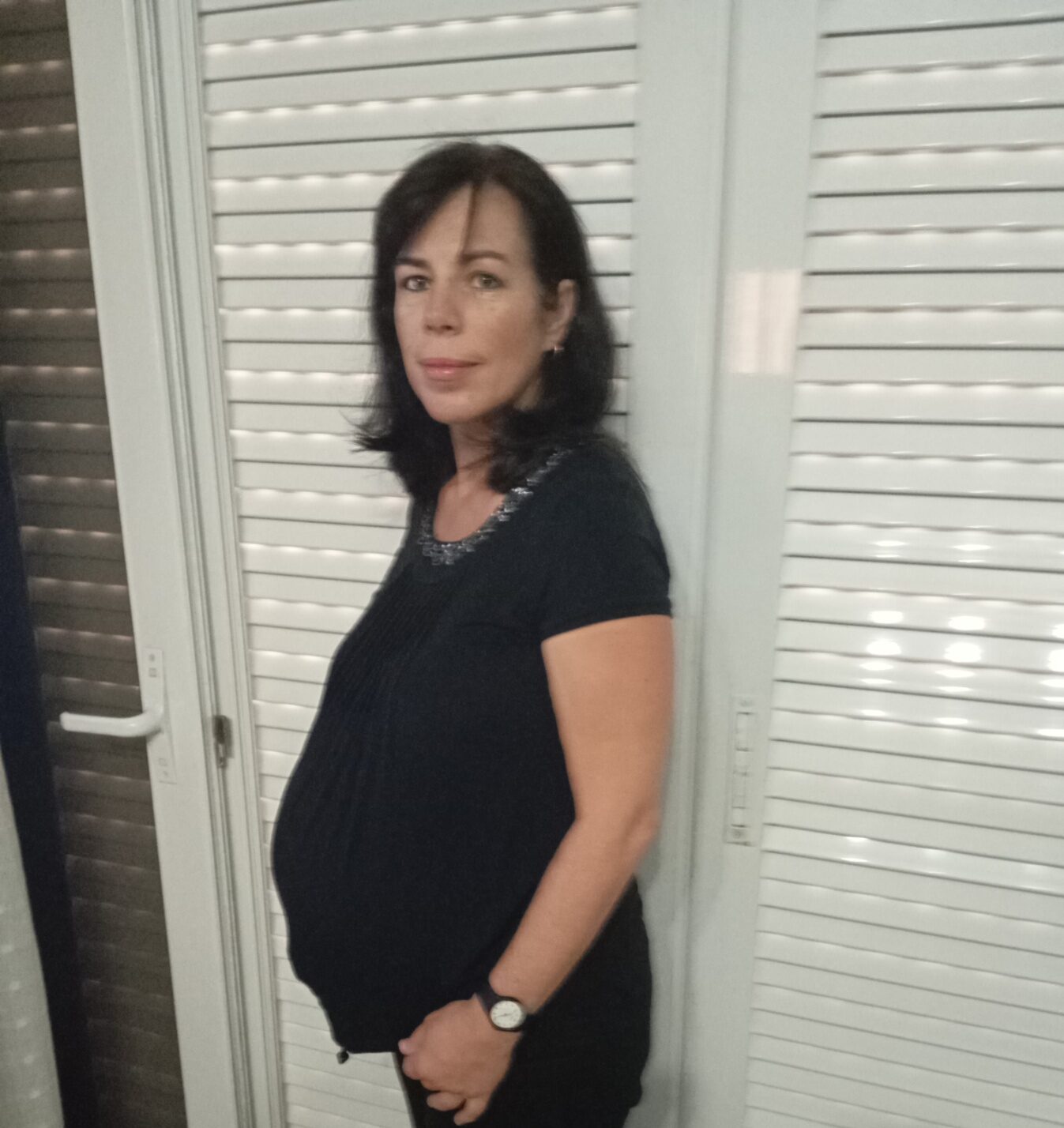
Athens, 9 September 2026 Christina Rapti-Tzelepi, aged 54, today gave birth to a completely healthy baby girl ………, following the transfer of embryos that had been cryopreserved on 17 March 2004.
The embryo transfer took place on Christmas Eve, 23 December 2025, at GENESIS ATHENS.
International record for the storage of autologous reproductive material resulting in a live birth
This birth constitutes an international first, as it is associated with the longest internationally published period of cryopreservation of autologous reproductive material resulting in a live birth.
A period of 22 years, 5 months and 23 days elapsed between cryopreservation and the present day. The previous longest internationally published duration was 18 years and 3 months in Japan in previous to that in Israel 17 years.
According to the literature review conducted by the scientific team at GENESIS ATHENS CLINIC, no documented case of a successful pregnancy and live birth following a longer period of embryo cryopreservation has been identified in the published, peer-reviewed international scientific literature.
The scientific team at GENESIS ATHENS has already compiled the clinical and laboratory data from the case and will submit them for publication in international scientific journals.
A significant medical development with a profound human dimension
For Christina Rapti-Tzelepi, today’s birth carries particular emotional significance.On the 15th April 2004 Mrs Rapti had an embryo transfer following In Vitro Vertilization of her own eggs with husband sperm. She had an excess of 12 embryos frozen on the same day. She gave birth to a healthy baby boy on her first attempt, 9 months later. Last October, in 2025, the family suffered the tragic loss of their son , 21 year old only, in a road traffic accident.
Amid these difficult personal circumstances, Christina Rapti-Tzelepi decided to use the embryos that had remained cryopreserved from her initial treatment.
This decision was accompanied by a demanding race against time. Christina Rapti-Tzelepi had to complete the required procedures in time and obtain the necessary authorisation from the National Authority of Medically Assisted Reproduction, within the applicable age framework for medically assisted reproduction, which set in Greece is a strict upper age limit of 54.
Christina Rapti-Tzelepi’s case highlights the potential of modern embryo cryopreservation and the significant advances of IVF, as well as the need for strict compliance with regulations to be accompanied by a meaningful and flexible assessment of each woman’s individual circumstances. When a woman is facing such a profound personal loss, a lack of flexibility and restrictive deadlines can turn an already difficult process into an exhausting race against time.
Dr Konstantinos Pantos, Christina Rapti-Tzelepi’s gynaecologist Director of Genesis Athens Clinic and Secretary General of the Hellenic Society of Reproductive Medicine, stated:
“The birth of Christina Rapti-Tzelepi’s daughter is a particularly significant clinical and scientific development. At the same time, it is a story of resilience, love and hope, which we approach with the utmost respect for the family’s personal journey and circumstances.
Medicine must operate according to rules and safety, but also with humanity. Every case has its own reality, and institutional procedures need to be able to take it meaningfully into account, particularly when time is not on a woman’s side.”